HIPAA Enforcement: Who Protects Health Data?
Learn which agencies enforce HIPAA regulations, what their roles are, and how they safeguard healthcare data across covered entities.
The Health Insurance Portability and Accountability Act (HIPAA), established in 1996, stands as pivotal legislation protecting patient health information and privacy in the United States. As healthcare increasingly intersects with digital technology, understanding HIPAA enforcement mechanisms is essential for healthcare providers and related entities. This examination explores the various agencies tasked with enforcing HIPAA regulations, their specific roles, responsibilities, and impact on safeguarding healthcare data confidentiality and security. Comprehending HIPAA enforcement is not merely a regulatory requirement—it fundamentally maintains trust and integrity in healthcare systems.
Who enforces HIPAA
The role of the Office for Civil Rights (OCR). The Office for Civil Rights serves as the primary enforcer of HIPAA within the U.S. Department of Health and Human Services. The OCR upholds the Privacy and Security Rules through multiple mechanisms: investigating complaints from individuals believing their health information was mishandled, conducting routine audits of healthcare providers and insurers, and educating the public about HIPAA rights and obligations. The OCR's investigative approach addresses alleged violations while its auditing function identifies non-compliance issues and guides entities toward corrective measures. This dual enforcement-and-education strategy fosters a culture of compliance essential in modern healthcare.
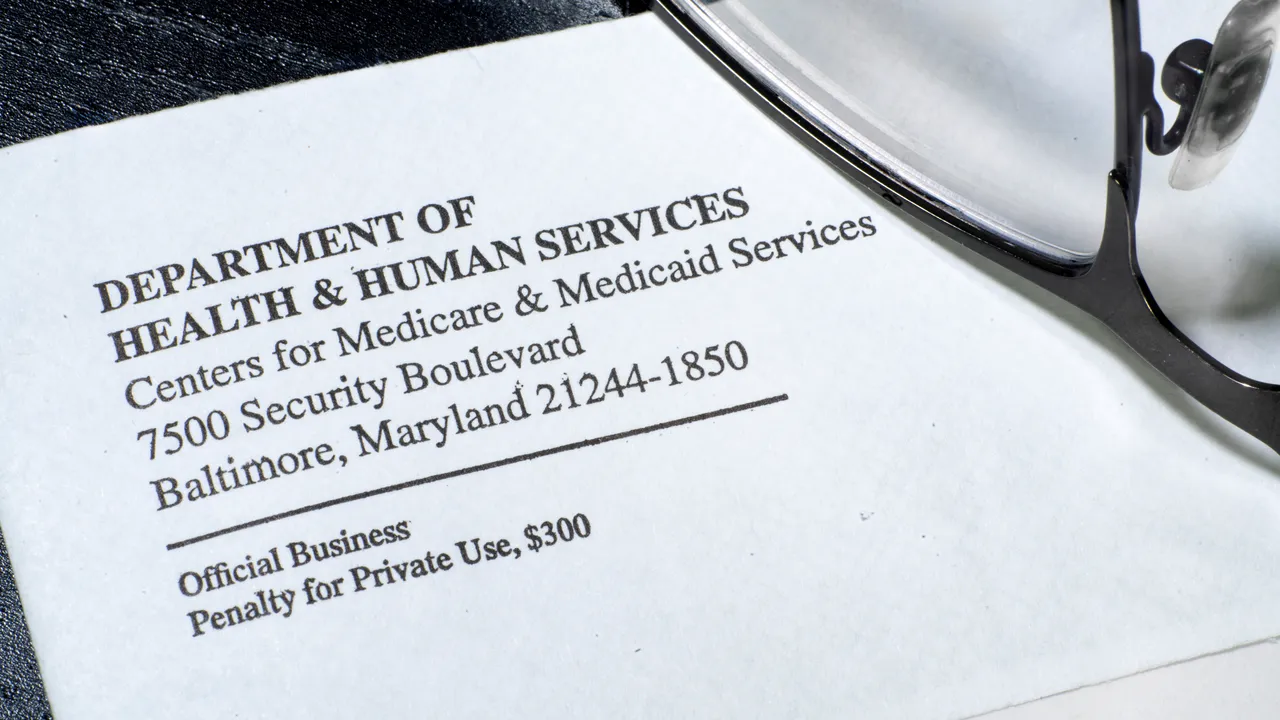
The Centers for Medicare and Medicaid Services (CMS). The Centers for Medicare & Medicaid Services maintains a distinct role in HIPAA enforcement, overseeing Administrative Simplification provisions. CMS specifically enforces regulations regarding Transactions and Code Sets, the National Employer Identifier Number, the National Provider Identifier, and Operating Rules—areas distinctly separate from the OCR's Privacy and Security Rule enforcement. This focused approach helps streamline healthcare processes and maintain the integrity of healthcare data exchanges. For detailed information, you can view the HIPAA Enforcement Statistics on the CMS website.
The role of State Attorneys General. The Health Information Technology for Economic and Clinical Health (HITECH) Act of 2009 expanded enforcement capabilities by empowering State Attorneys General. These officials can now file civil suits when HIPAA violations affect state residents, creating a localized response layer complementing federal efforts. State Attorneys General also conduct public awareness campaigns and educational initiatives promoting compliance culture at grassroots levels. This collaborative federal-state partnership ensures comprehensive and responsive enforcement mechanisms.
Notable state-level cases. In New York, following a 2015 incident where a departing nurse practitioner shared patient information without authorization, the New York Attorney General secured a significant settlement requiring the University of Rochester Medical Center to pay $15,000 and implement risk assessments and staff training programs. In California, the Attorney General's 2018 office settled a case addressing alleged HIPAA violations involving patients' electronic protected health information accessible on the internet without proper security. The settlement imposed a $2 million penalty and mandated security upgrades.
Other federal agencies involved. The Department of Justice prosecutes criminal HIPAA violations involving knowing and willful misuse of patient health information for harm or personal gain, including identity theft and unauthorized access to protected health information. The Federal Trade Commission, while not directly enforcing HIPAA, protects consumer health data under the FTC Act. When health data privacy intersects with consumer protection concerns, the FTC's involvement becomes critical. These agencies collaborate to ensure comprehensive enforcement and address complex digital-age health data protection challenges.
Time to investigate
The reporting and investigation process represents a critical component of ensuring compliance and protecting patient privacy. Both healthcare providers and individuals can report suspected HIPAA violations to the Office for Civil Rights, the primary complaints handler.
Upon receiving complaints, the OCR initiates thorough investigations examining the circumstances surrounding alleged breaches, the entity's compliance history, violation nature and extent, and potential individual harm. Healthcare organizations are encouraged to conduct internal investigations and proactively report breaches to the OCR—both a regulatory requirement for significant breaches and a best practice for maintaining patient trust. Learn about the Worst HIPAA Violation Cases in History.
The importance of compliance and training. Healthcare organizations seeking to prevent breaches must recognize that all staff members are typically required to be trained in HIPAA fundamentals and practical implementation in daily operations. Regular training from front-line staff to senior management significantly reduces violation risks and enhances data security. Compliance training should be ongoing, adapting to regulatory and technological changes. Periodic refreshers and role-specific training ensure employees understand their responsibilities in maintaining HIPAA compliance.
Offerings like TeachMeHIPAA can help prevent costly HIPAA breaches and help easily satisfy the HIPAA training requirement.
HIPAA enforcement involves multifaceted efforts from federal and state agencies, each playing pivotal roles in safeguarding patient health information. Understanding the Office for Civil Rights, Centers for Medicare and Medicaid Services, State Attorneys General, and other federal agencies' roles demonstrates the comprehensive nature of HIPAA enforcement. The processes of reporting and investigating violations, coupled with emphasis on ongoing compliance and training, remain critical in ensuring healthcare organizations adhere to vital privacy and security standards.